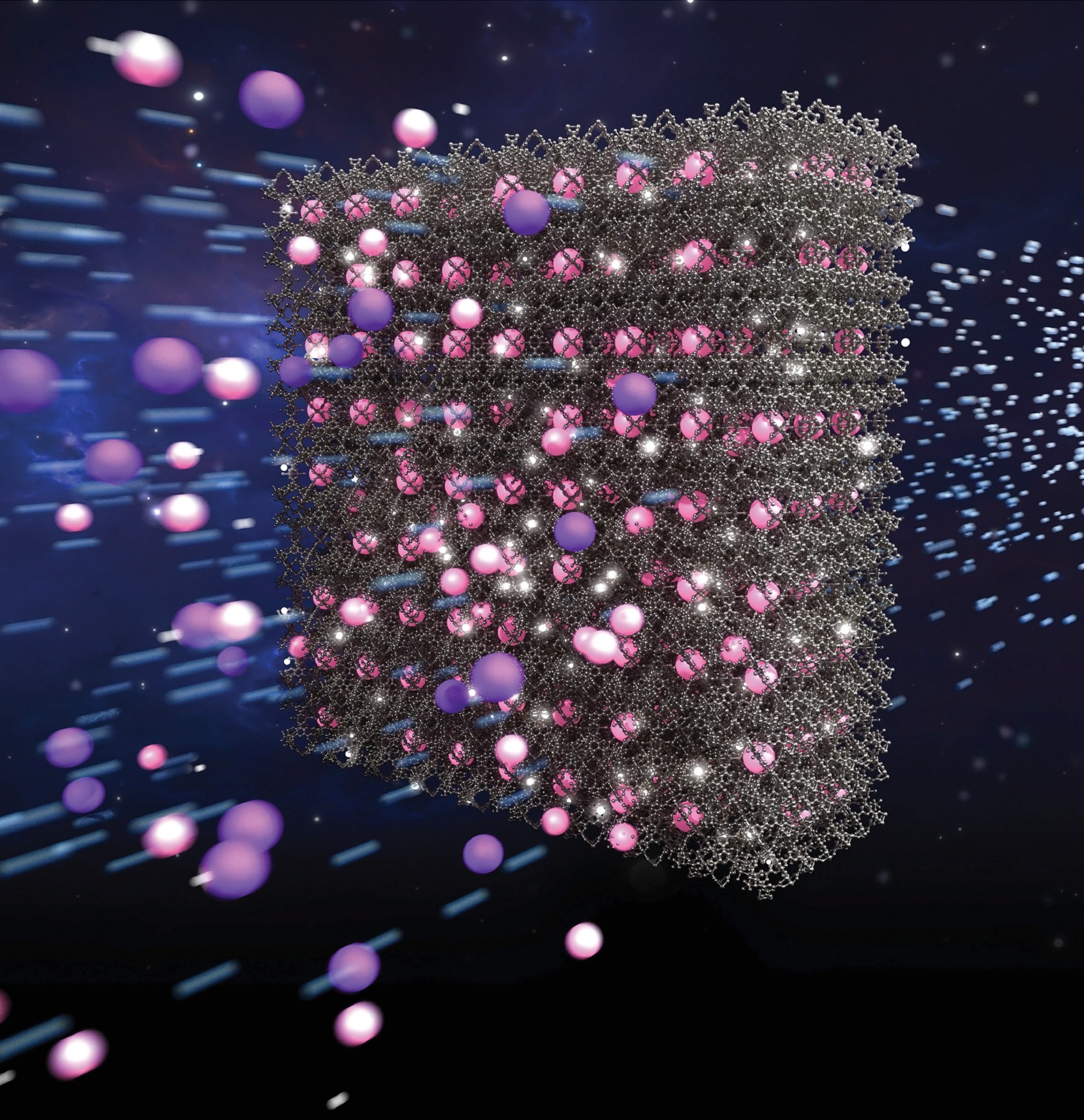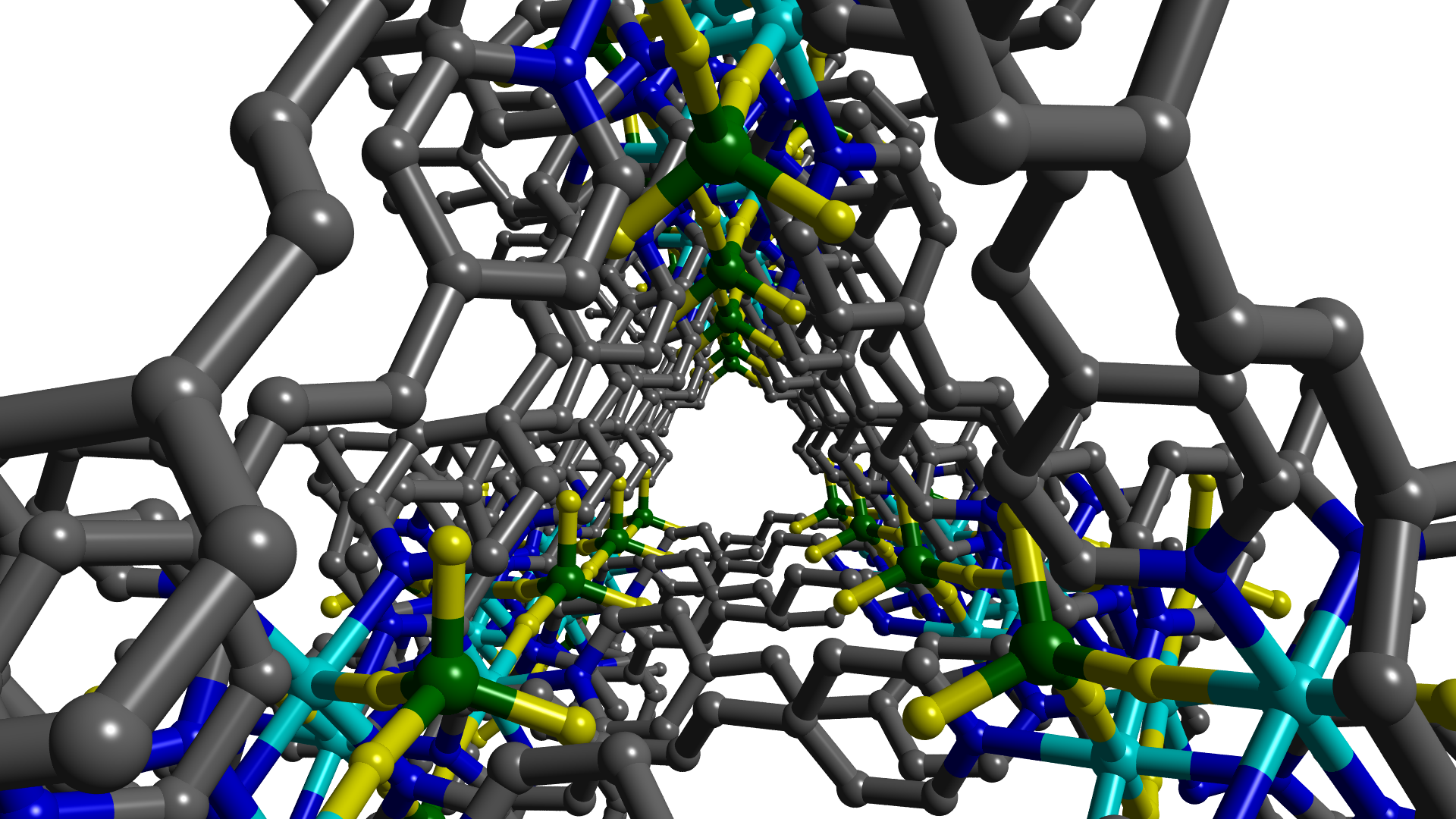
Experimental metal–organic framework structure viewed through its molecular pore

MONA LAB

Metal–Organic Network Assembly Lab

We build pores
with purpose.

Designing functional porous materials that control how atoms, ions, or molecules are captured, separated, transported, and/or transformed.

Our approach

Structure becomes function when we understand the path from pore to process.

MONA Lab connects crystal engineering, advanced characterization, and mechanistic analysis to understand how porous materials recognize and control guest species within confined pores.

See how we work

Research

From molecular architecture to real-world performance.

Our research program is grounded in peer-reviewed studies of structure-property relationships, molecular recognition, separations, and catalytic interfaces.

View through the pore of a metal–organic framework

Framework architecture

Functional Porous Materials

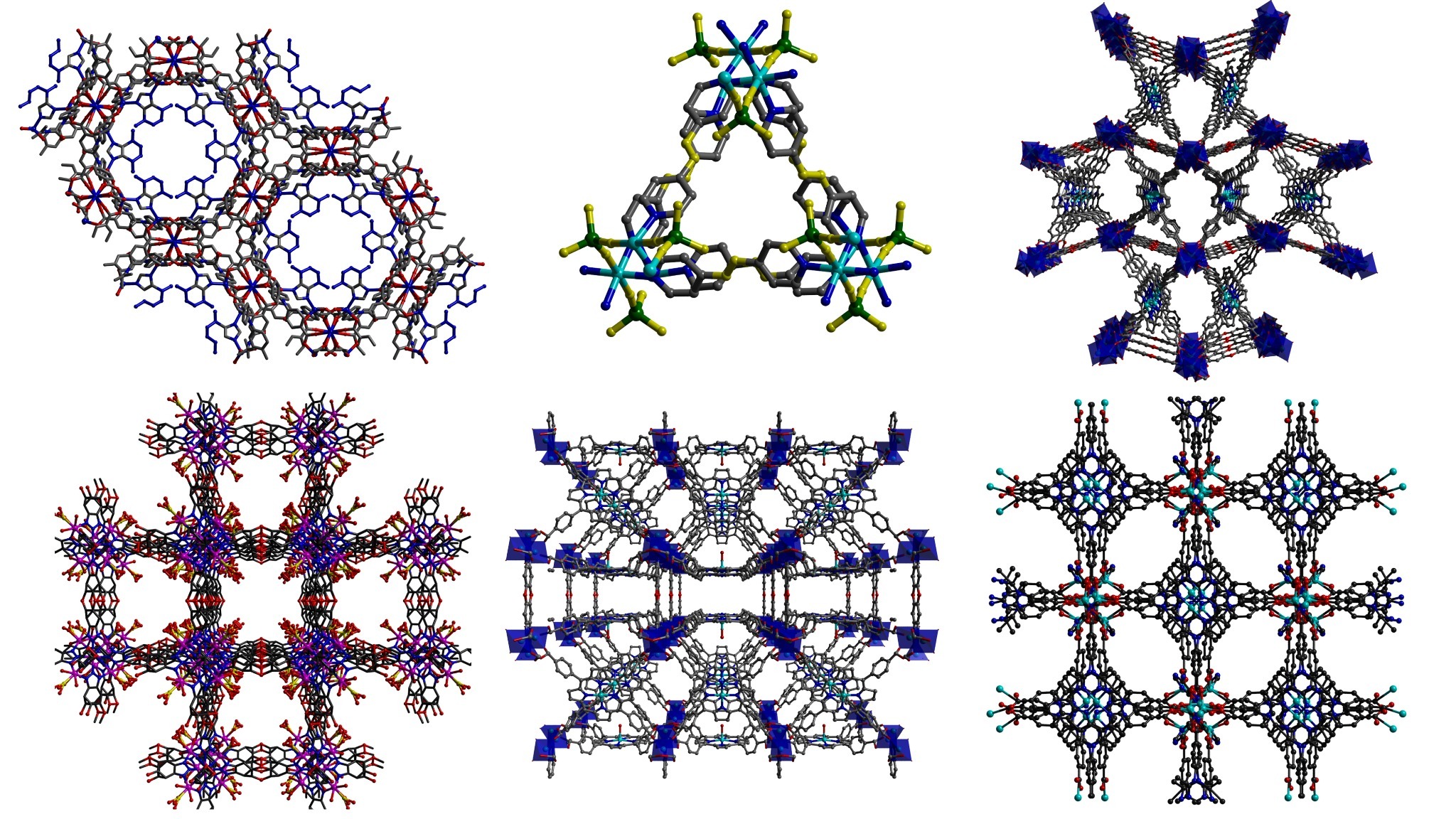
We design task-specific porous materials—including metal–organic, metal–inorganic, and coordination frameworks—by controlling building-block chemistry and geometry, network topology, pore environments, flexibility, defects, and crystal packing.

MOFsMIFsCoordination frameworks
Selective adsorption

Molecular Separations

We design adsorbent materials for CO₂ capture, hydrocarbon separations, Kr/Xe separations, and critical-mineral extraction and recovery, including lithium and rare-earth elements.

CO₂ captureHydrocarbon separationsKr / XeLi / REE recovery

Catalytic interfaces

Electrocatalysis

We develop MOF catalysts and MOF-derived catalysts by fine-tuning metal identity, composition, cooperative sites, and metal-site synergy, while introducing reaction promoters through pore functionality to govern electrocatalytic reactions.

HEROERCO₂RRMOF catalystsMOF-derived catalysts

Group

Curious minds.
Connected science.

MONA Lab brings researchers across materials chemistry, separation science, electrochemistry, and engineering together. We value open exchange, complementary expertise, and collaborations that connect molecular understanding with practical problems.

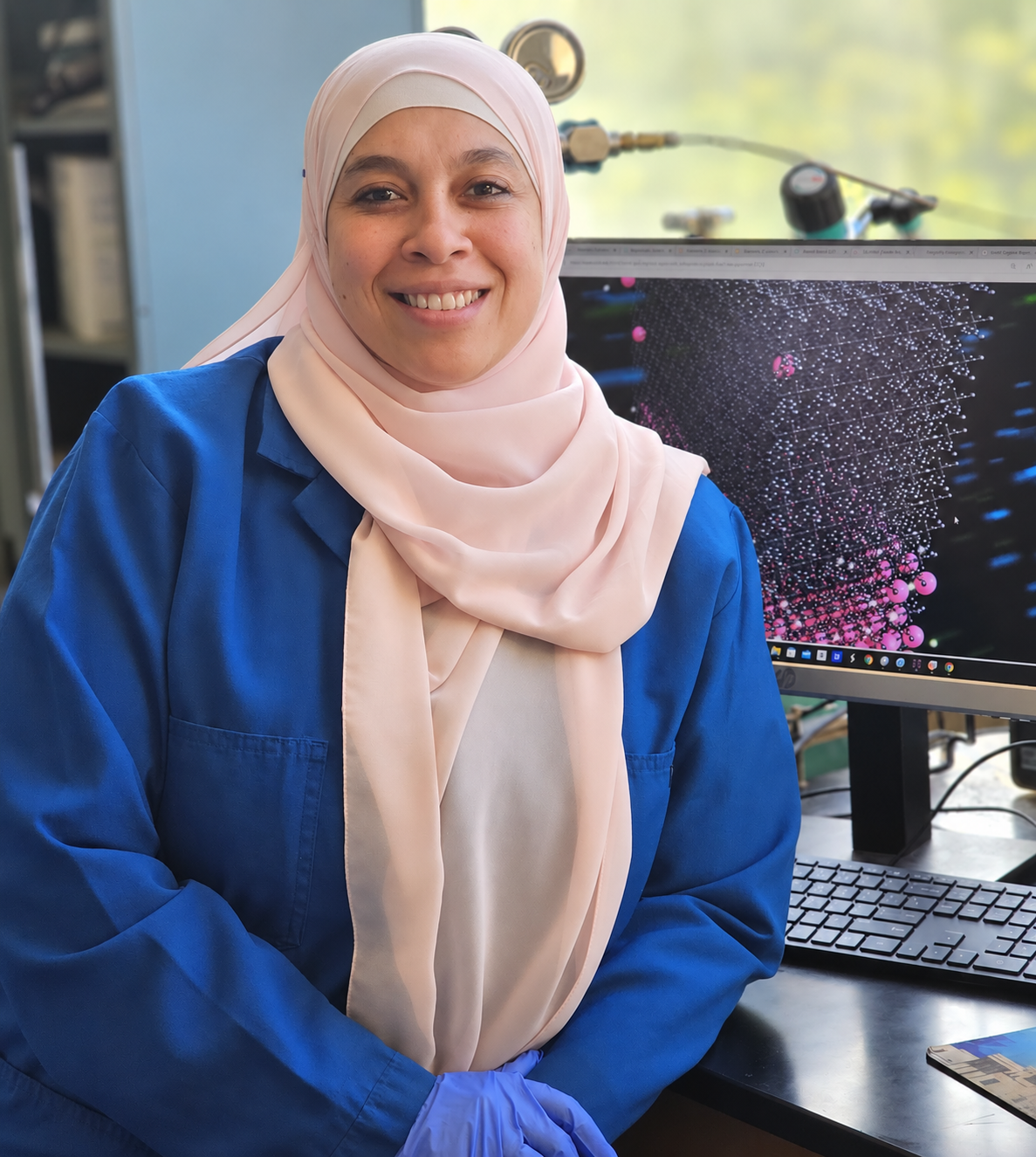
Dr. Mona H. Mohamed in the laboratory beside a molecular visualization

Principal Investigator

Dr. Mona H. Mohamed

Chemist · Materials Scientist · Educator

Dr. Mohamed develops functional porous materials at the intersection of crystal engineering, separation science, and electrochemistry. Her peer-reviewed work connects molecular behavior in confined spaces with separations, critical-resource recovery, and catalytic conversion.

27 peer-reviewed papers 21 h-index 2,100+ citations
PhD University of South Florida Postdoctoral research University of Pittsburgh Research scholar Pacific Northwest National Laboratory

Join the network

We welcome researchers who think across disciplines.

Prospective students and collaborators interested in porous materials, separations, catalysis, or electrochemistry are invited to get in touch.

Publications

Selected publications.

A selection of peer-reviewed papers spanning framework design, densification, molecular separations, membranes, and electrocatalysis.

2026

Desalination · Critical minerals

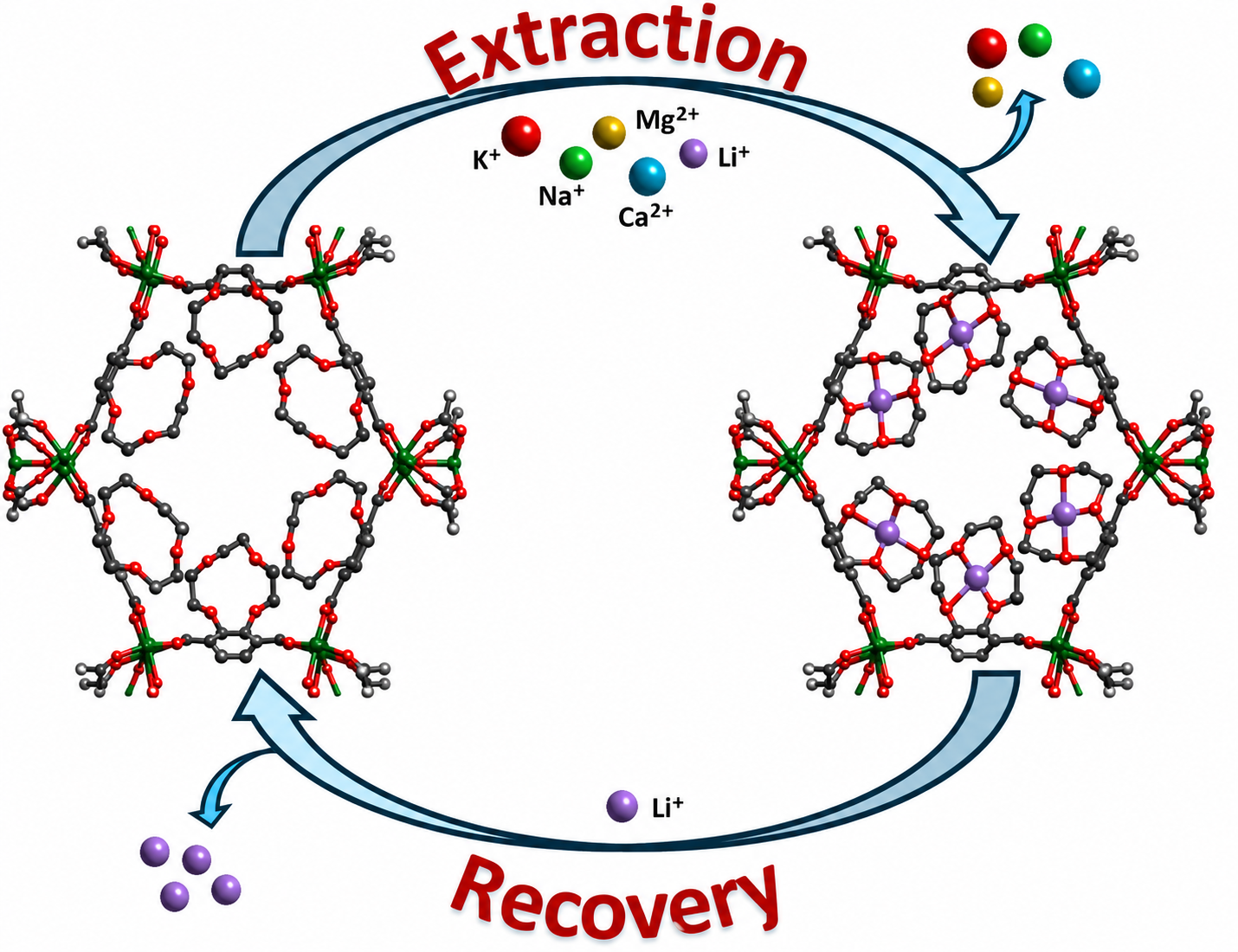
Encoding Ion Selectivity into Electroactive Metal–Organic Frameworks for Lithium Extraction and Recovery

Electroactive MOFs designed to encode ion selectivity for lithium extraction and recovery.
2025

Cell Reports Physical Science · Densification

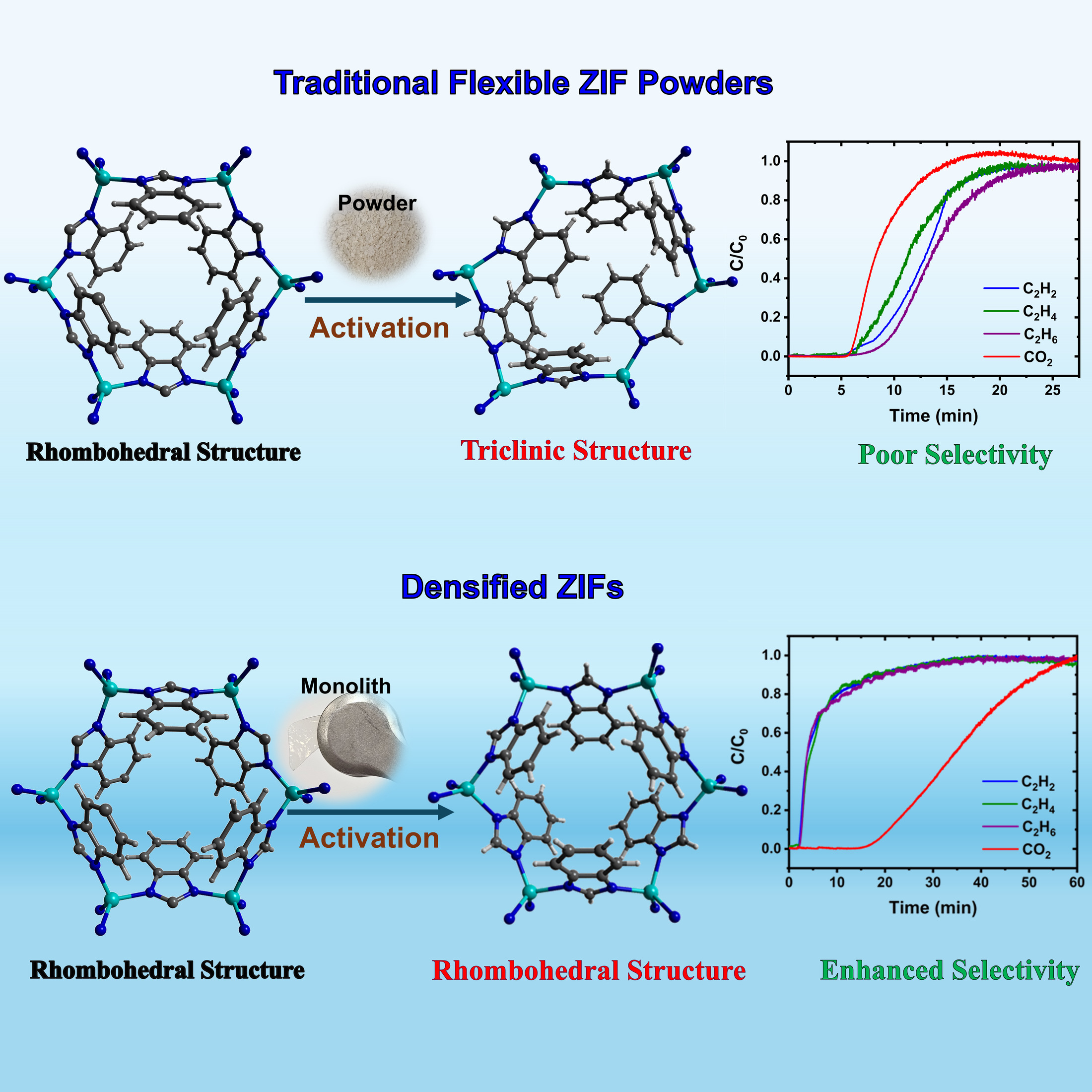
Harnessing Nanoscale Densification for Controlling Gas Selectivity in Flexible Zeolitic Imidazolate Frameworks

Preserving structure while tuning selectivity in flexible ZIF monoliths.
2025

Chemical Engineering Journal · Electrocatalysis

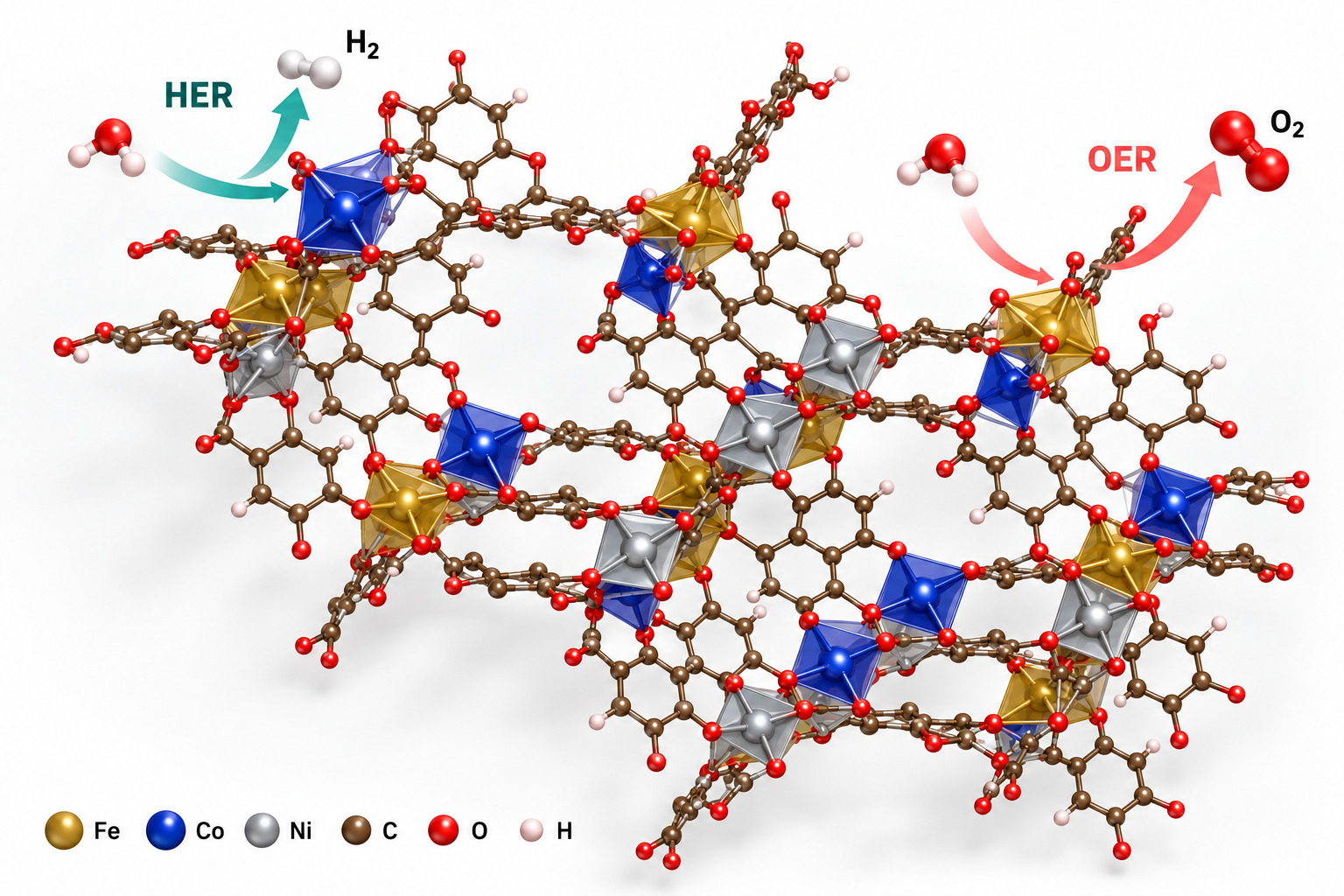
Anomalous HER and OER through Creating Selective Metal Centers in Heterometallic MOF-74

Heterometallic MOF-74 catalysts for large-scale alkaline water electrolysis.
2024

Advanced Functional Materials · Gas separation

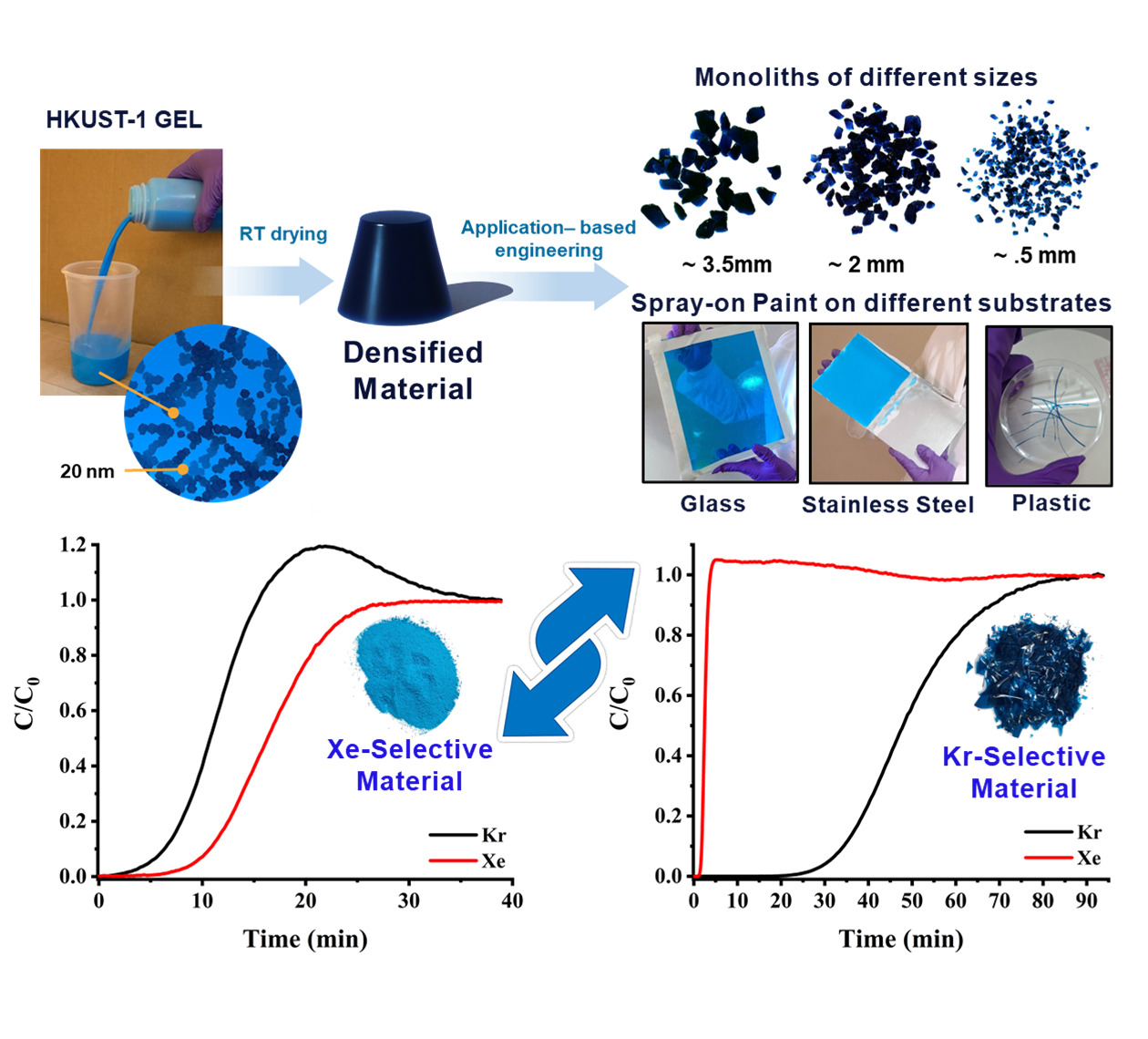
Turning Normal to Abnormal: Reversing CO₂/C₂-Hydrocarbon Selectivity in HKUST-1

Demonstrating how densification can change molecular selectivity.
2024

ACS Applied Materials & Interfaces · Noble gases

Trailblazing Kr/Xe Separation: The Birth of the First Kr-Selective Material

ACS Editors’ Choice and journal cover feature establishing a new Kr-over-Xe selectivity benchmark.
2020

Nature Communications · Nuclear separations

Radiation-Resistant Ultra-Microporous Materials for Efficient Removal of Krypton

Radiation-resistant porous materials for volatile radionuclide capture in nuclear reprocessing.
2019

Journal of the American Chemical Society · Hydrocarbons

Designing Open Metal Sites in Metal-Organic Frameworks for Paraffin/Olefin Separations

A molecular-level strategy for activating and using open metal sites in demanding hydrocarbon separations.

Explore the complete record on Google Scholar

Contact

Let’s build the next
connection.

For research collaborations, student opportunities, speaking invitations, or industry partnerships, connect with MONA Lab.

Email MONA Lab